
XDR + SOCaaS
Frequently Asked Questions (FAQ)
- Q1: What is SOCaaS and how does it help an SMB?
- Q2: What is XDR, and is it the same as EDR?
- Q3: Does SOCaaS/XDR replace our IT team or MSP?
- Q4: What does “response” actually look like?
- Q5: How do we know if SOCaaS/XDR is working?
- Q6: What’s the best first step if we’re not sure what we need?
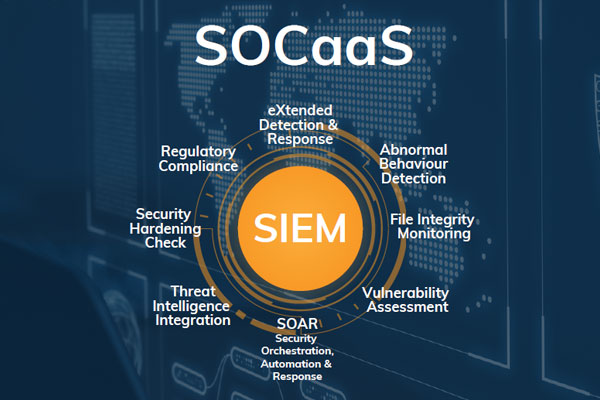
A: SOCaaS provides monitored detection and response support without building your own SOC. It helps you spot suspicious activity sooner and respond faster—especially for ransomware and account compromise scenarios.
A: EDR focuses on endpoints. XDR correlates signals across endpoints, identity, email, and cloud to improve detection and reduce false positives.
A: No. It complements them. IT keeps systems running; SOCaaS/XDR focuses on security monitoring, triage, and response guidance. We can run this co-managed with your existing team.
A: Validate the alert, determine scope, isolate affected assets when needed, guide remediation steps, and document actions. The goal is fast containment and reduced blast radius.
A: You should see measurable outcomes: improved coverage, fewer repeat incidents, faster time-to-detect and time-to-contain, and reporting you can share with leadership/insurers.
A: Use the Cyber Defense Matrix Quick Check to map tool coverage and gaps, or book a consult for a direct recommendation.